
Skip to content
JRose WellnessTelehealth psychiatry

Guide

Anxiety Medication vs Non-Medication Approaches

Anxiety can be treated with medication, with skills and therapy, or with both. Here is how the options compare, and how to decide what to try first.

Soft lavender and peach sunrise reflected on calm, open water

The short version

You have more than one option for anxiety

Anxiety can look like excessive worry, racing thoughts, panic attacks, social anxiety, or ongoing stress that gets in the way of sleep, relationships, work, or daily life.

Treatment usually falls into two groups: prescription medication, and non-medication approaches such as therapy, coping skills, and lifestyle changes. They are not either-or. Many people use both, and the mix can change over time.

This guide is general education, not medical advice. The right plan for you comes out of an evaluation and a conversation about what you want.

Need help right now?

JRose Wellness is not an emergency service. If you are in crisis or thinking about harming yourself, call or text 988 (Suicide & Crisis Lifeline), call 911, or go to the nearest emergency room.

Side by side

Medication and non-medication care, side by side

Both aim to help you feel steadier. They get there in different ways.

What it involves

Medication
A prescription chosen after an evaluation, with follow-up visits to check how it is working.
Non-medication approaches
Therapy and skills such as cognitive behavioral techniques, mindfulness, psychoeducation, and practical coping strategies, plus lifestyle changes.

How it helps

Medication
Can ease the physical and emotional symptoms of anxiety, which can make daily life and skill-building feel more manageable.
Non-medication approaches
Helps you notice anxious patterns, understand them, and respond to them in new ways.

How change happens

Medication
Some medications take time to reach their full effect, and the right fit may take adjustments.
Non-medication approaches
Skills build with practice, so progress grows over time.

What it asks of you

Medication
Taking it as prescribed, sharing any side effects, and keeping follow-up visits.
Non-medication approaches
Time and practice between visits, including when it feels uncomfortable.

Things to weigh

Medication
Possible side effects. Some anxiety medications are controlled substances. See the practice’s answer on controlled substances in the questions below.
Non-medication approaches
Can feel hard to start when anxiety is intense, and it takes steady practice.

Later on

Medication
Any change or stop is planned with your prescriber.
Non-medication approaches
The skills stay with you.

A closer look

Understanding each option

Medication

What to know about anxiety medication

Several kinds of prescription medication are used for anxiety. They differ in how they work, how quickly they help, how long you take them, and what side effects they can cause.

Choosing one is a shared decision. In Jessica’s words: “Decisions are based on your symptoms, history, past medication responses, side-effect sensitivity, lifestyle, and preferences.”

Some medications used for anxiety are controlled substances. Asked whether she prescribes them, Jessica’s answer is: “Possibly. Prescribing is based on a careful assessment, diagnosis, safety considerations, and state regulations.”

Non-medication approaches

What non-medication care looks like

Non-medication care focuses on skills. Jessica provides supportive therapy during visits and draws on cognitive behavioral techniques, mindfulness, psychoeducation, and practical coping strategies.

Everyday habits matter too. Sleep, daily routine, physical activity, and alcohol use can all affect how anxious you feel, and small changes can add up.

If you want more dedicated therapy time, Jessica may refer you to a therapist. Learn more about supportive therapy.

Skills, not just symptoms

Techniques Jessica may draw on

Jessica brings these into visits, tailored to your needs and goals.
  • Supportive therapy

    Time to talk through what is going on with someone who listens and helps you problem-solve.

  • Cognitive behavioral techniques

    Noticing anxious thoughts, questioning them, and changing the patterns that keep anxiety going.

  • Mindfulness

    Practice bringing your attention back to the present moment instead of the what-ifs.

  • Psychoeducation

    Understanding how anxiety works in the body and mind, so symptoms feel less mysterious and less scary.

  • Practical coping strategies

    Concrete tools for worry, panic, and stressful situations, such as breathing and grounding exercises.

  • Motivational interviewing

    Conversations that help you find your own reasons for change and your own pace.

How to decide

Where to start

These are general pointers, not rules. Your evaluation is where the decision gets made, together.

Medication may be worth discussing if:

  • anxiety or panic makes it hard to work, study, sleep, or get through the day
  • you have tried coping skills or therapy and are still struggling
  • medication has helped you before
  • you are also dealing with low mood or trouble sleeping

Non-medication approaches may be a good place to start if:

  • you would rather avoid medication, or want to try skills first
  • your anxiety is tied to a specific stressor or situation
  • you want tools you can keep using on your own
  • you have had trouble with medication side effects before

Many people use both: medication to take the edge off, and skills that keep working over time. Your plan can shift as you go.

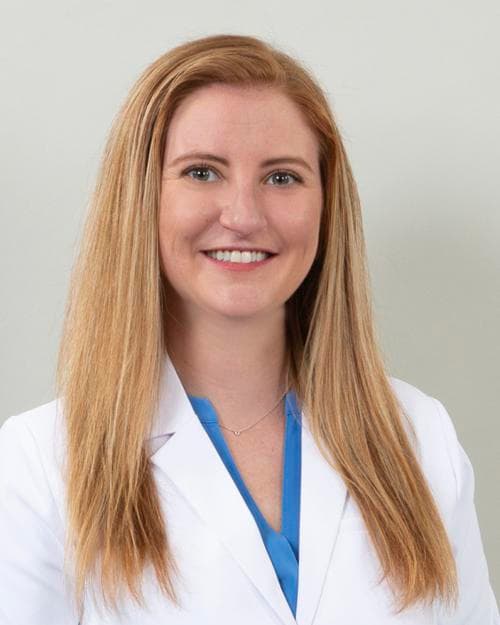
Jessica Logel, MSN, PMHNP-BC, FNP, smiling in a white coat

At JRose Wellness

Anxiety care, by secure video

Jessica Logel, MSN, PMHNP-BC, FNP, sees adolescents 15 and older, adults, and older adults for anxiety, including panic and social anxiety, by secure video for patients in Connecticut. Care starts with a psychiatric evaluation, and follow-ups adjust the plan as you go.

In her words: “Many Psych NPs offer medication management and brief therapeutic interventions. I will provide supportive therapy during our sessions and may refer you to a therapist if needed.”

“That's okay. Medication is optional. We can explore therapy, lifestyle changes, or other non-medication approaches.”

Jessica Logel, MSN, PMHNP-BC, FNP

Questions

Common questions

What if I don't want to take medication?

That's okay. Medication is optional. We can explore therapy, lifestyle changes, or other non-medication approaches.

Will you prescribe controlled substances?

Possibly. Prescribing is based on a careful assessment, diagnosis, safety considerations, and state regulations.

How do you decide which medication is right for me?

Decisions are based on your symptoms, history, past medication responses, side-effect sensitivity, lifestyle, and preferences.

Can I start without medication and add it later?

Yes. Medication is optional, and your plan can change. Follow-up visits are where you and Jessica check how things are going and decide whether to adjust.

Can anxiety care happen over video?

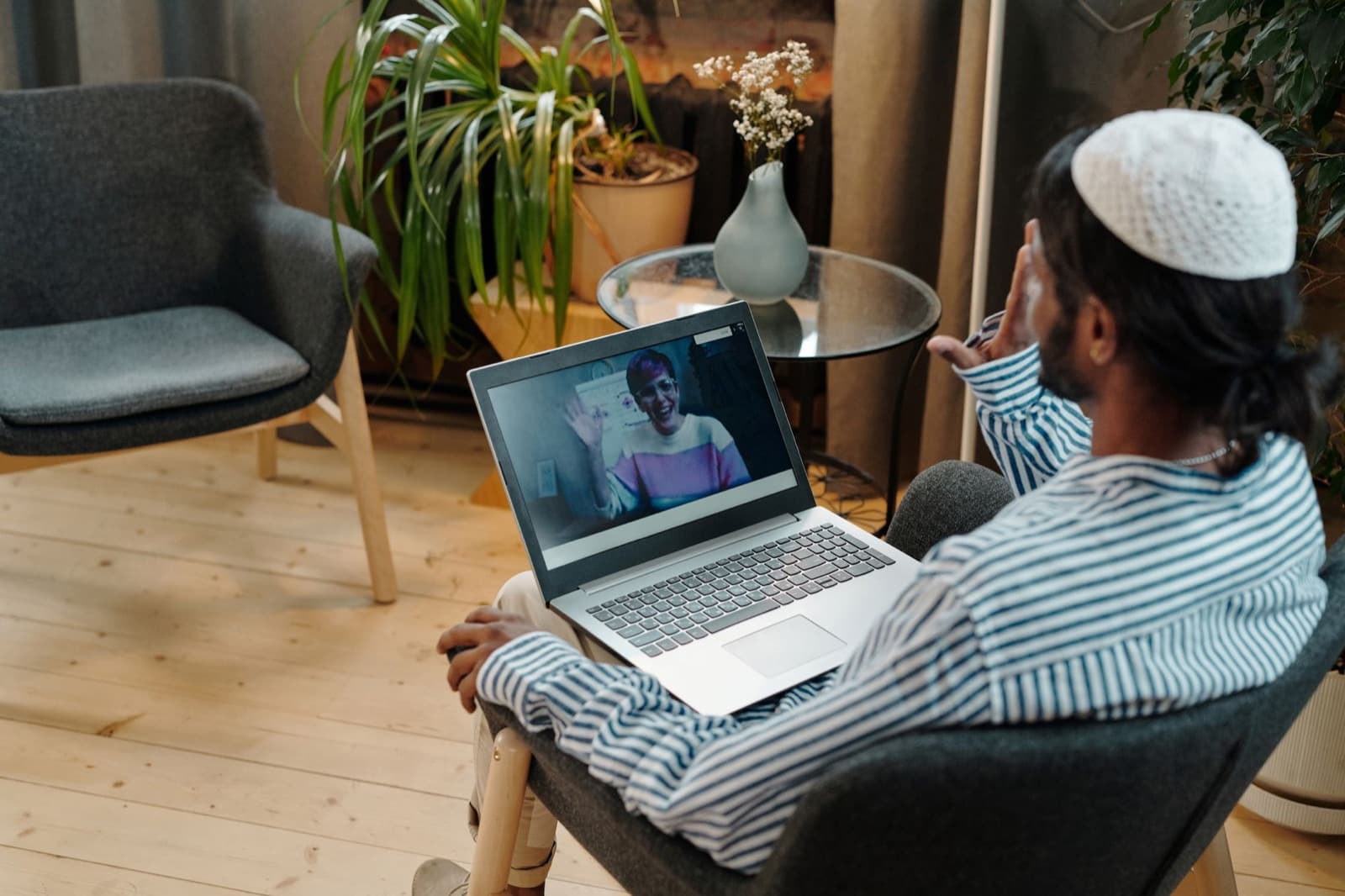
Yes. Every visit at JRose Wellness is by secure video, so there is no commute or waiting room, and you can talk from a place where you feel comfortable.

Book a visit

Ready to talk it through?

Use your insurance by booking through Alma or Headway, or request a self-pay visit directly with the practice. Every visit is by secure video.

Insurance

Through Alma

Plans include

  • Aetna
  • Anthem Blue Cross and Blue Shield Connecticut
  • Carelon Behavioral Health, Inc.
  • Cigna
  • and more

Intake appointments booked through Alma are 45 minutes, by video.

Insurance

Through Headway

Plans include

  • Aetna
  • Anthem Blue Cross and Blue Shield
  • Carelon Behavioral Health
  • Cigna
  • and more

See open times and check your coverage on Headway.

Self-pay

Pay directly

Initial Evaluation
$400
Follow-Up & Medication Management
$100

Self-pay visits are booked by request. Send one online or call, and we will follow up to schedule.

Plans listed as of September 2026. See every plan and self-pay detail